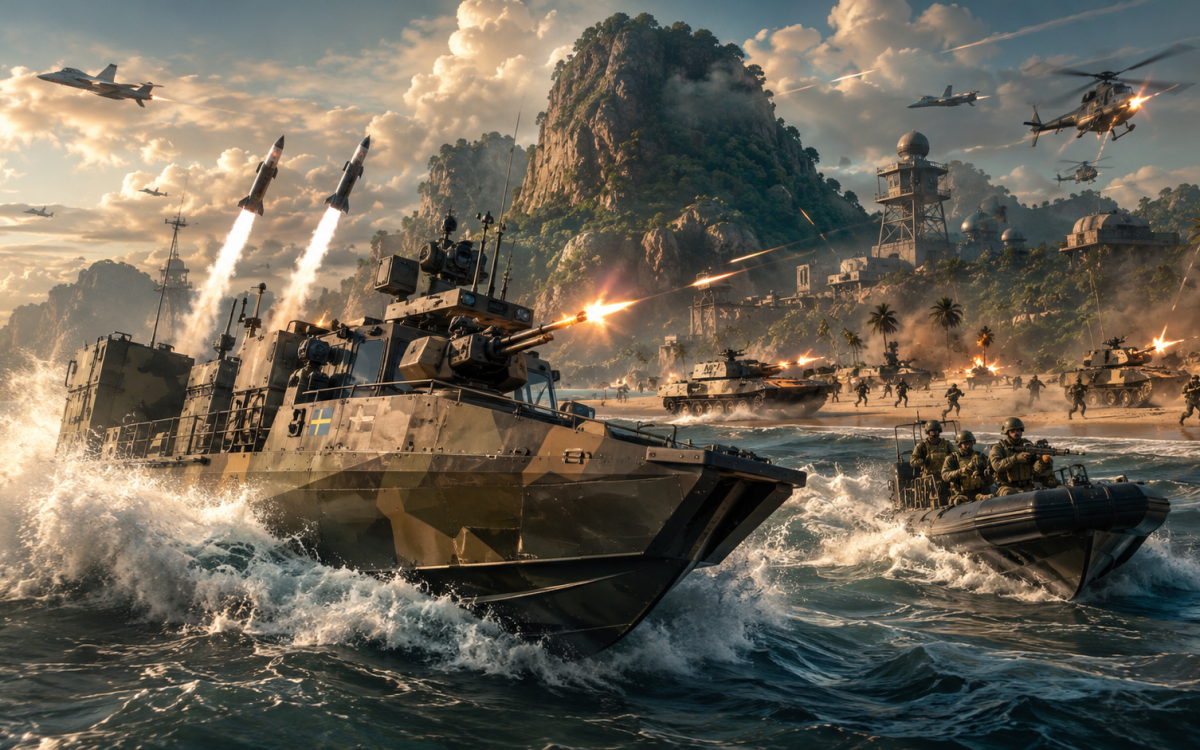
Battlefield 6 Season 4 Naval Warfare Quick Summary
- Season 4 introduces full-scale naval combat with new boats, dynamic wave physics, and two coastal battlefields.
- RCB-90 Patrol Boat is the primary combat vessel, built for shoreline control, anti-vehicle engagements, mortar support, and creating forward spawn points.
- 7.7M NSW RHIB is a lightweight transport focused on rapid squad insertions, flanking routes, beach assaults, and quick extractions.
- Open-ocean battles feature rough waves that affect navigation and accuracy, while inland waterways are calmer but far more dangerous thanks to Engineers, mines, and vehicles positioned on shore.
- Tsuru Reef launches alongside Season 4, with Wake Island joining later during Phase 2.
- Above everything else, one rule defines naval combat: never stop moving.
Battlefield 6 Finally Brings Naval Combat Back
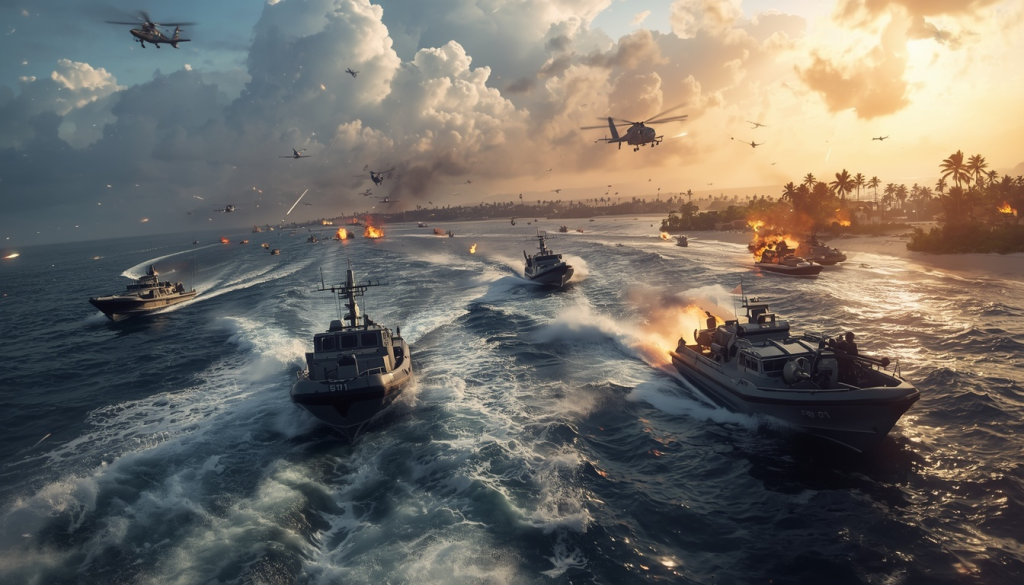
Season 4 doesn’t simply add boats—it rebuilds Battlefield’s large-scale warfare around the sea.
Both Tsuru Reef and the returning Wake Island combine infantry, armor, aircraft, and naval vehicles into the same battlefield, creating the kind of multi-layered combat longtime Battlefield players have been waiting to see.
Rather than treating boats as optional transports, Battlefield 6 turns them into major assets capable of influencing objectives, supporting assaults, and controlling entire sections of the coastline.
The controls remain familiar. Controller players steer using the left stick for acceleration, braking, and turning, while keyboard and mouse players rely on the standard WASD layout. Anyone comfortable driving tanks or other vehicles will feel at home almost immediately.
What takes longer to master is momentum.
Unlike ground vehicles, boats don’t stop and accelerate instantly. Losing speed in open water leaves you exposed for several seconds, which is often all opponents need.
A stationary boat becomes an easy target for:
- Enemy patrol boats
- Engineers firing from the shoreline
- Helicopters
- Jets
- Infantry positioned near docks or beaches
Even wide defensive circles are usually safer than sitting still waiting for the perfect shot.
Season 4 Naval Maps
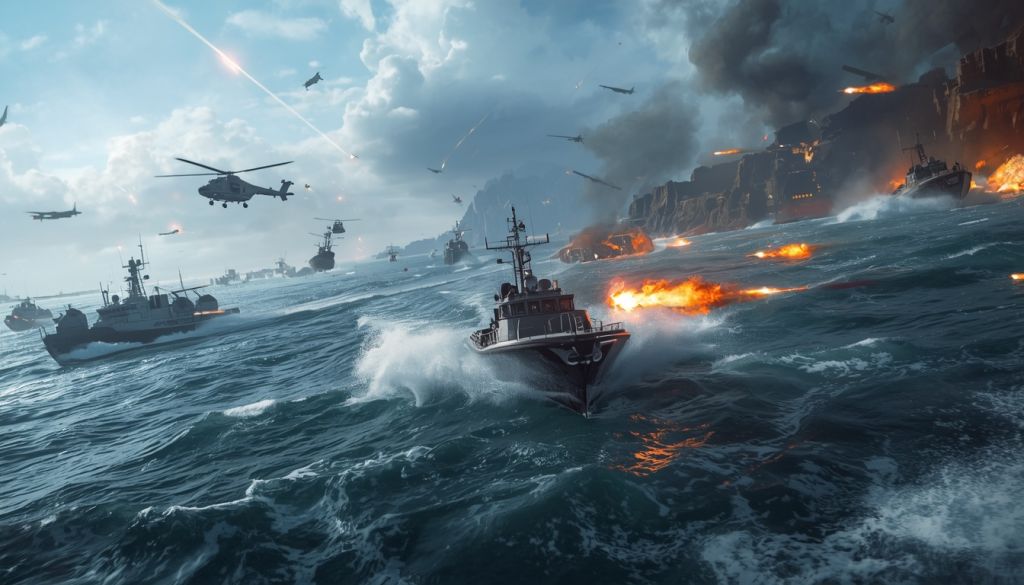
Season 4 launches with one new battlefield before expanding the naval experience later in the season.
| Map | Release | Main Focus |
|---|---|---|
| Tsuru Reef | July 21 (Season 4 Launch) | Massive combined-arms battlefield featuring boats, armor, aircraft, infantry, and open-ocean combat |
| Wake Island | August 18 (Phase 2) | Modern version of the classic Battlefield map featuring carrier headquarters and expanded naval engagements |
Tsuru Reef
Tsuru Reef is currently the largest Battlefield 6 map and serves as the centerpiece of Season 4.
It brings together nearly every gameplay system available:
- Naval combat
- Tanks and armored vehicles
- Aircraft
- Infantry combat
- Wide coastal battlefields
- Open ocean
- Inland waterways
The map is designed so that every vehicle class interacts with the others at once. Boats fight offshore while aircraft attack from above, armored columns advance inland, and infantry battle over objectives scattered across the islands.
When everything comes together, it delivers the large cinematic moments Battlefield has always done best.
Because much of the fighting happens in open water, managing wave movement becomes especially important for players operating the RCB-90.
Wake Island Returns
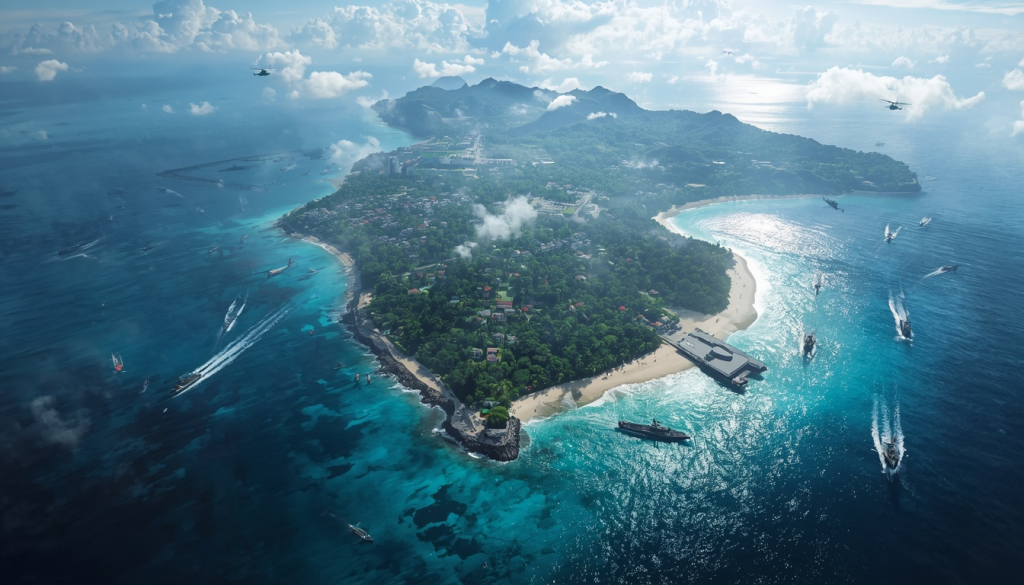
Wake Island joins Battlefield 6 during Phase 2 on August 18, but this isn’t simply a remake of the classic map.
The developers have redesigned it to better suit Battlefield 6’s larger scale.
Major additions include:
- Carrier headquarters for both teams positioned on opposite sides of the island
- A large ship near the center of the battlefield
- Extra cover for naval vehicles during sea engagements
That central vessel should reduce situations where boats are destroyed immediately after entering combat by providing natural protection and additional repositioning opportunities.
Dynamic Waves Change Every Naval Fight
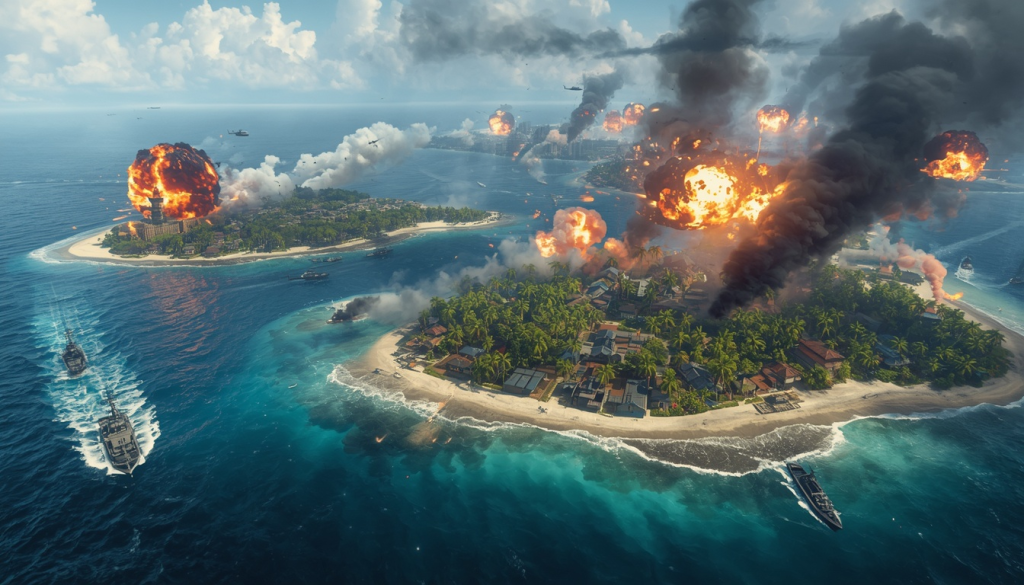
The biggest gameplay addition in Season 4 is the new dynamic wave system.
Rather than acting as visual effects, waves directly influence movement, visibility, and combat.
Water itself now has gameplay mechanics.
Bullets lose effectiveness as they travel through water depending on their caliber, reducing incoming damage against submerged players. Enemy markers disappear once someone dives beneath the surface, making underwater escapes much more viable.
Players can also drag and revive teammates while swimming.
Water Conditions
| Water Type | Gameplay Effect |
|---|---|
| Open Ocean | Heavy waves reduce aiming stability and make navigation more difficult. |
| Inland Waterways | Calmer water allows easier driving and shooting but places boats closer to Engineers, mines, and shore vehicles. |
Open water constantly shifts your boat, making long-range accuracy less reliable.
The upside is that those same waves can also throw off enemy aim, break sightlines, and partially conceal your approach. Sometimes the ocean works against you—and sometimes it saves you.
Inland waterways are much easier to navigate, but they’re also significantly more dangerous. Narrow channels leave boats exposed to rocket launchers, water mines, Engineers, and vehicles waiting along the shoreline.
One mistake can end the trip entirely.
Running your boat onto the beach is even worse. Once beached, it cannot be returned to the water.
RCB-90 Patrol Boat Guide
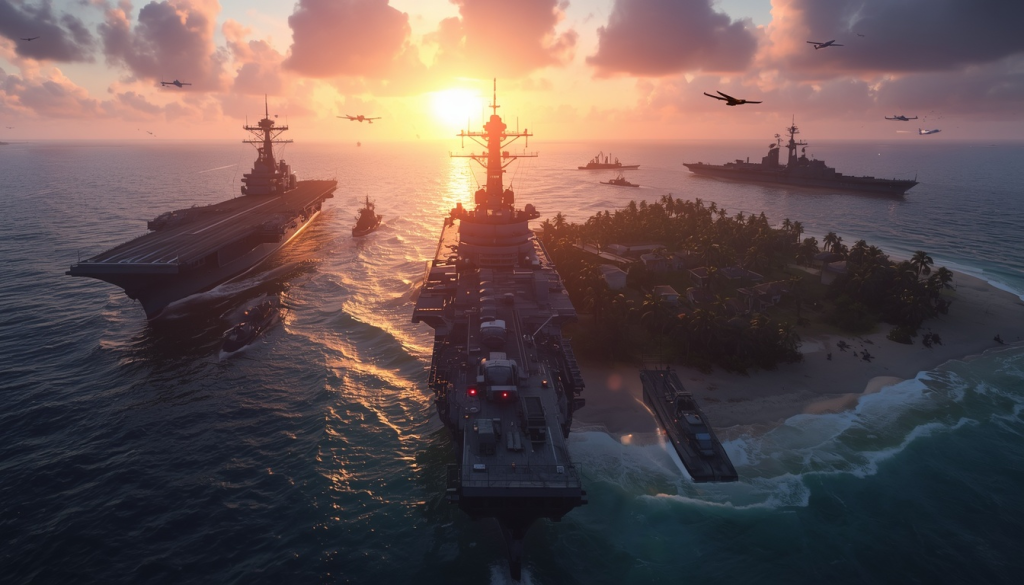
Veterans of Battlefield 4 will immediately recognize the RCB-90 Patrol Boat.
It’s the primary combat vessel introduced in Season 4, built specifically for shoreline dominance rather than transportation.
RCB-90 Overview
| Feature | Details |
|---|---|
| Seats | 2 |
| Role | Naval combat and coastal control |
| Mobility | Slow |
| Durability | High |
| Driver Weapons | Autocannon or Heavy Machine Gun plus missiles |
| Gunner Weapon | 120 mm mortars |
| Equipment | IR Smoke, torpedoes, or mines |
| Special Ability | Functions as a forward spawn point near docks or shorelines |
The most interesting feature isn’t its firepower.
When the RCB-90 approaches a dock or beach, its front ramp automatically deploys, allowing teammates to spawn directly onto the boat before pushing onto land.
That makes it an effective mobile beachhead during objective assaults rather than simply another combat vehicle looking for kills.
7.7M NSW RHIB Guide
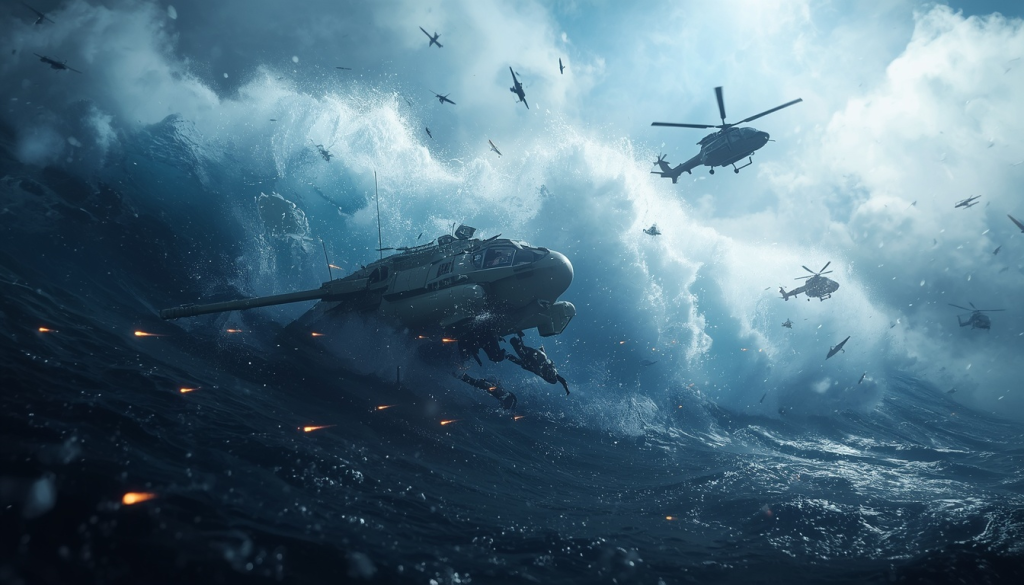
The 7.7M NSW RHIB serves an entirely different purpose.
Originally introduced in REDSEC, it now arrives in Battlefield 6 Multiplayer as the fast transport option.
This isn’t a vehicle you choose to duel patrol boats.
It’s designed to move squads exactly where they’re needed before the enemy can react.
RHIB Overview
| Feature | Details |
|---|---|
| Seats | 4 |
| Role | Fast squad transport |
| Health | Low |
| Passenger Protection | Minimal |
| Primary Weapon | Mounted machine gun |
| Best Use | Flanking, beach assaults, rapid insertions |
While the mounted machine gun can suppress infantry and threaten lightly armored targets, most of the RHIB’s offensive power comes from the passengers themselves.
Ideal uses include:
- Fast map traversal
- Flanking enemy positions
- Moving through waterways
- Deploying squads behind objectives
- Escaping dangerous engagements
Trying to fight an RCB-90 head-on usually ends badly.
The RHIB lacks both the armor and the firepower needed for prolonged combat. Slow down in front of Engineers and your entire squad will be making the trip back from the deployment screen.
RCB-90 vs. 7.7M NSW RHIB
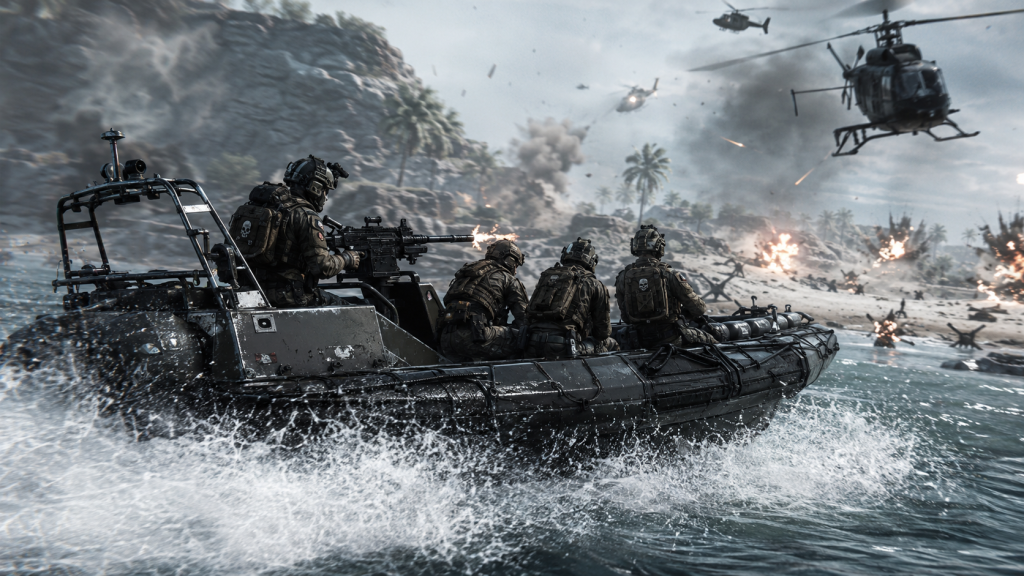
Both boats fill very different roles.
| Vehicle | Best Used For |
|---|---|
| RCB-90 Patrol Boat | Controlling coastlines, engaging vehicles, supporting landings, creating forward spawn points |
| 7.7M NSW RHIB | Delivering squads quickly, flanking, inserting troops behind enemy lines, fast objective pushes |
The RHIB isn’t weaker simply because it has less armor.
Its effectiveness depends almost entirely on squad coordination. A well-organized team can use it to slip behind enemy defenses, eliminate armored vehicles, or reclaim objectives before defenders realize what’s happening.
Against disorganized opponents, those surprise insertions become even more effective.
If your goal is controlling the sea, choose the RCB-90.
If your squad needs mobility and surprise, the RHIB is the better tool.
And honestly? Don’t be surprised if the developers increase the RHIB’s durability shortly after launch once enough players start testing its limits.
Best Naval Warfare Tips
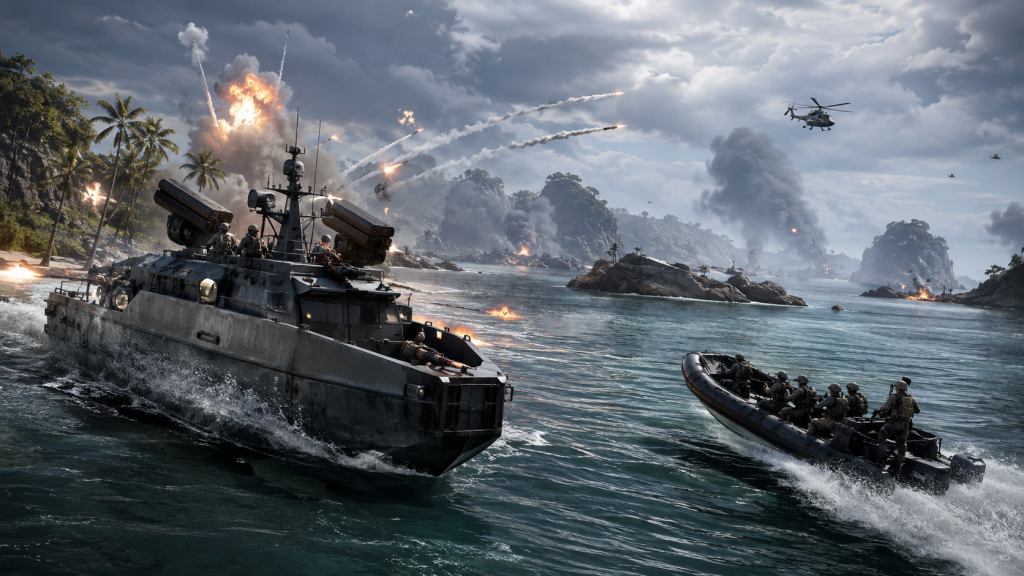
A few habits make a huge difference once you start fighting on the water.
- Keep moving at all times. Stationary boats attract every sniper, rocket launcher, helicopter, and patrol boat in the area.
- Use waves as natural cover. Rough seas constantly interrupt sightlines, making them just as useful defensively as offensively.
- Launch missiles before opening fire. Starting with the RCB-90’s missiles lets you damage targets before revealing your position with sustained gunfire.
- Smoke mortars win beach assaults. Charging a defended shoreline without concealment is a quick way to recreate the opening scenes of Saving Private Ryan.
- Counter smoke with illumination mortars. They’re one of the best tools for exposing hidden enemies during naval engagements.
Teamwork Wins Naval Battles
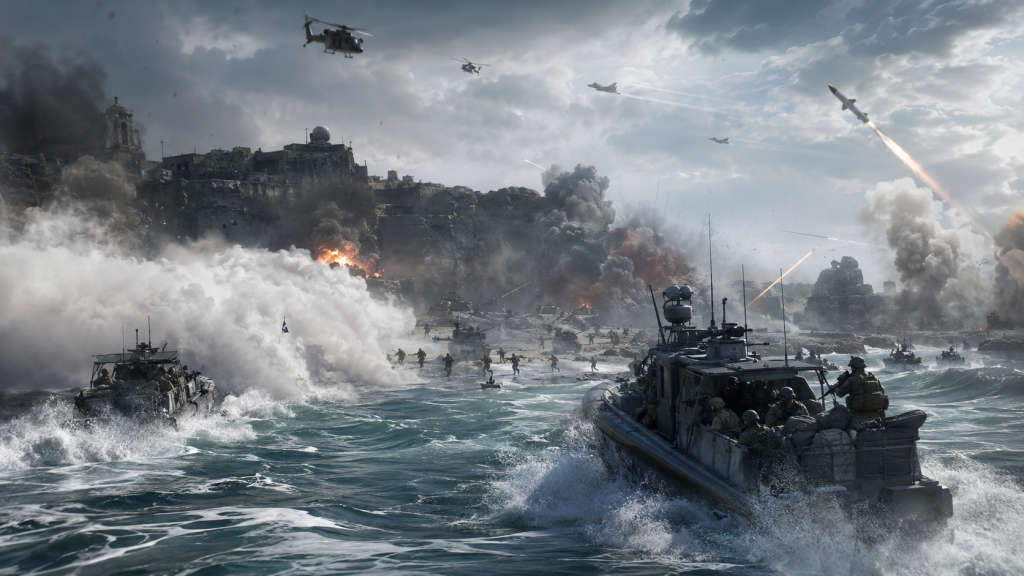
The strongest boat crews aren’t the ones chasing personal kill streaks—they’re the ones helping the rest of the team capture objectives.
The RCB-90 shines when it secures coastlines, supports infantry landings, and provides forward deployment points.
The 7.7M NSW RHIB excels at delivering squads into unexpected positions, creating flanking opportunities, and opening new attack routes.
Used together, they give Battlefield 6’s combined-arms formula exactly the kind of rock-paper-scissors gameplay the series has always been known for.
Treat them as team assets instead of personal vehicles, and Season 4’s Naval Warfare becomes far more rewarding.